Seasonal Checklist Importance
- ✓ Stay Organized
- ✓ Enhance Productivity
- ✓ Improve Harvest Quality

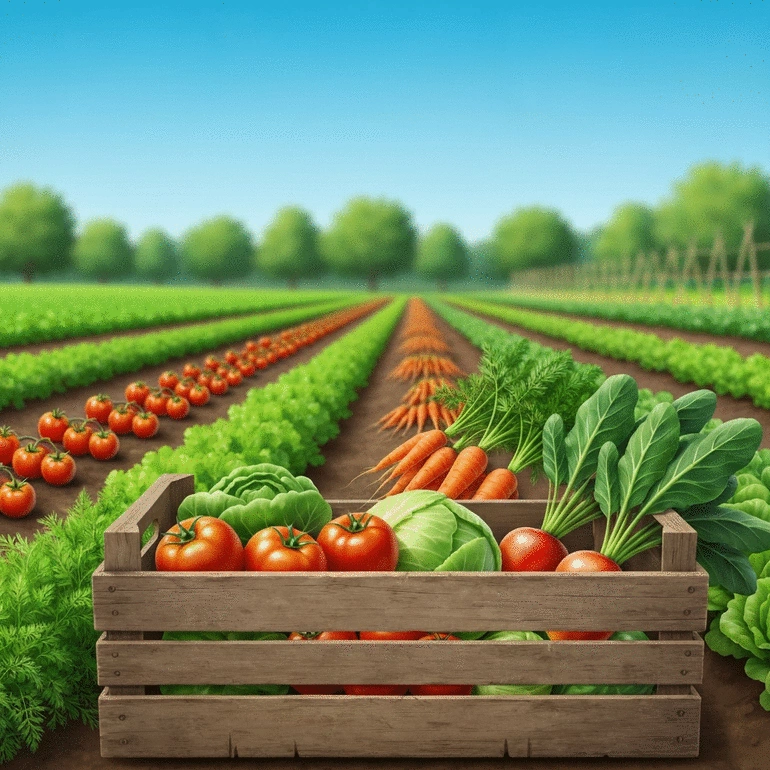
As you prepare for a successful gardening year, consider the strategies that can elevate your vegetable harvesting game. With the right planning and insights, you can cultivate a thriving garden that produces fresh vegetables year-round!
A comprehensive approach to your gardening calendar ensures optimal yield and healthy plants. Below are key strategies broken down for effective planning and execution.
As we step into a new gardening year, it's essential to have a plan in place to ensure a fruitful vegetable harvest. At Nurtured Spaces, I believe that a comprehensive seasonal checklist is your best friend. It helps you stay organized, focused, and proactive, paving the way for successful harvests throughout the year. By laying out a clear calendar, you can easily track planting and harvesting times, thus maximizing your yield and minimizing the risk of crop loss. For a detailed guide on vegetable harvesting, you can refer to resources like the Iowa State University Extension and Outreach.
Incorporating a detailed calendar not only allows for meticulous planning but also helps in anticipating seasonal changes. This ensures you're always one step ahead. Remember, each month brings unique tasks and responsibilities that are critical to your gardening success!
Having a seasonal checklist is crucial for any gardener. It serves as a roadmap, guiding you through the year with specific tasks to tackle each month. This not only improves productivity but also enhances your overall gardening experience. When I started my journey in gardening, I saw the difference a simple checklist made in keeping me on track and reducing my stress levels!
Moreover, a well-structured checklist helps you to incorporate seasonal shifts in weather patterns, ensuring that you're always prepared for what lies ahead.
Not all vegetables are created equal when it comes to harvesting times. Understanding the specific windows for each crop will help you optimize your yield and ensure that you harvest at the peak of freshness. I often recommend breaking down your harvesting schedule by crop type to simplify this task. For more insights on optimal harvesting, consider visiting the UC Master Gardeners of Placer County resources.
By tailoring your harvesting schedule to each crop's specific needs, you’ll not only enhance yield but also improve the overall quality of your vegetables.
Another valuable resource at your disposal is local farming insights. Engaging with your community and understanding regional trends can significantly influence your vegetable harvesting calendar. Here at Nurtured Spaces, I've found that collaborating with local gardeners can provide fresh ideas and proven strategies. The NC State Extension Gardener Handbook offers comprehensive information on vegetable gardening that can be adapted to local conditions.
By leveraging these local insights, you not only position yourself for a successful harvest but also foster a sense of community that enhances your gardening experience!
January is the perfect time to start preparing your soil for the upcoming growing season. Focus on soil amendments, such as adding compost or organic matter, to enrich your garden bed. This foundational work will set the stage for vibrant plant growth come spring!
Proper soil preparation is an investment that will pay dividends through healthier plants and bountiful harvests!
February is the time for strategic planning. Understanding your local frost dates and planning crop rotations can significantly enhance your garden’s productivity. Rotation helps prevent soil depletion and pest build-up, ensuring a sustainable garden.
By taking these proactive steps, you’ll be well-prepared to hit the ground running when spring arrives!
Did you know? According to a recent study, home gardeners who utilize a seasonal checklist can increase their overall yield by up to 30%. This emphasizes the importance of planning and organization in achieving a successful vegetable harvest!
As we look forward to a bountiful 2026, it's essential to compile the most important points from our seasonal checklist and crop-specific guidelines. By understanding your planting and harvesting windows, you can optimize productivity and enjoy fresh vegetables throughout the year!
Don't forget to incorporate local insights and personal experiences from your gardening journey. Every season is a learning opportunity, and your evolving strategy will help you adapt and thrive!
By focusing on these key takeaways, you're setting yourself up for a vibrant and productive gardening year!
Now that you've gathered valuable information, it’s time to take actionable steps toward your 2026 vegetable garden success! Begin by planning your garden layout—consider which vegetables you want to grow and where they'll thrive best. Creating a visual plan can help you see the bigger picture and ensure optimal use of space.
Additionally, I encourage you to order your seeds early! Having your seeds ready to go will make the transition into planting season smooth and stress-free. Don’t forget to reach out to local nurseries or fellow gardeners for recommendations on the best varieties for your area.
Taking these initial steps will position you for success as you nurture your green space throughout the year!
At Nurtured Spaces, we believe in the power of community! I invite you to join our gardening community to share your insights, tips, and experiences throughout the gardening season. This is a fantastic way to connect with fellow gardeners who are just as passionate about growing as you are!
You can ask questions, share successes, and even troubleshoot challenges together. Remember, every gardener has faced hurdles, and sharing these experiences can foster growth—both for your plants and your confidence!
To make your gardening journey even easier, I'm excited to offer you a free downloadable PDF of the 2026 Vegetable Harvesting Calendar! This checklist will help you stay organized and on track with your planting and harvesting schedules.
Simply download the calendar and print it out—let it be your guide as you embark on a fruitful gardening adventure!
Another fantastic way to enhance your gardening experience is by exploring Community Supported Agriculture (CSA) opportunities. Joining a CSA allows you to access fresh, seasonal produce while supporting local farmers!
Not only will you receive a variety of vegetables throughout the season, but it also fosters a connection with your local agricultural community. Plus, it’s a great way to learn about sustainable practices and seasonal eating!
Consider joining a CSA this year to enjoy the bounty of our community while enriching your own gardening journey!
Here is a quick recap of the important points discussed in the article: