Ideal Growth Conditions
- Sunlight: ≥ 6 hrs/day
- Soil pH: 6.0 - 7.0
- Moisture: Consistently moist
- Temperature: 60°F - 70°F

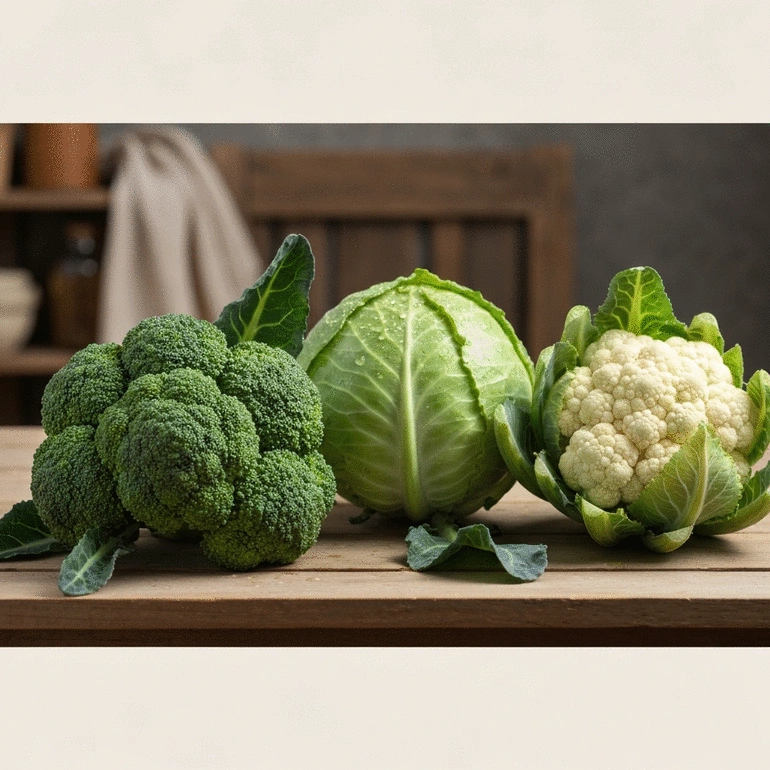
As we explore the world of brassicas, did you know they are not only delicious but also packed with essential nutrients? Understanding these versatile vegetables can revolutionize your gardening experience and your meals!
This overview illustrates the optimal conditions for brassica growth and highlights their key nutritional benefits.
Brassicas, also known as cruciferous vegetables, are a diverse group of plants that include popular crops like broccoli, cabbage, and cauliflower. These veggies are not just delicious but also packed with nutrients! They thrive in cool weather, making them perfect for spring and fall planting. Other related crops in this family include kale, Brussels sprouts, and radishes, each offering unique flavors and growing experiences.
As a gardening enthusiast myself, I've found that growing brassicas can be incredibly rewarding. The way each type develops, from the tight heads of cabbage to the branching florets of broccoli, adds visual interest to any garden. Plus, they can be a fantastic addition to your meals!
Each brassica has its own unique needs and benefits. Understanding these can help you choose the best types for your garden, ensuring a bountiful harvest!
Brassicas thrive under specific conditions. They generally prefer full sunlight—aim for at least 6 hours of sunlight per day—to promote healthy growth. Additionally, these crops love well-draining, nutrient-rich soil. Ensure your soil is amended with compost to provide the necessary nutrients.
By paying attention to these factors, you can create a thriving environment for your brassicas, leading to healthier plants and tastier produce!
Incorporating brassicas into your diet isn’t just about taste; it’s about health too! These vegetables are rich in vitamins, minerals, and antioxidants that are essential for overall well-being. For instance, broccoli is an excellent source of vitamin C, while kale offers abundant vitamin K. Research on brassica nutrition and processing, such as that found in Oxford University Press academic journals, further highlights these benefits.
By growing and eating these vegetables, you’re not only nurturing your garden but also fostering your health! At Nurtured Spaces, we believe that a little love for your garden translates to greater well-being for you and your family.
Here are some common questions about growing and benefiting from brassicas:
What is your favorite brassica to grow in your garden? Share your thoughts below:
As we come to the end of our exploration into sustainable brassica harvesting practices, it's essential to reflect on the key techniques that can enhance your gardening experience. By implementing the right methods, you can not only maximize your yield but also minimize waste, ensuring that your harvest is both fruitful and environmentally friendly. For further reading on brassica management and sustainable practices, consider resources like those found on Frontiers in Microbiology.
Here’s a quick recap of the best practices we’ve covered:
By following these strategies, you can enjoy a rewarding brassica harvest while contributing positively to the environment!
At Nurtured Spaces, we believe that every gardener can make a difference by adopting sustainable practices in their gardening routines. I encourage you to implement the techniques we discussed and share your results with fellow gardeners! Whether you're a seasoned pro or just starting, your journey is valuable, and sharing your experiences can inspire others to embrace sustainable gardening.
Consider keeping a gardening journal. Not only will this help track your experiences, but it can also serve as a wonderful resource for future planting seasons. Engage with your local gardening community, attend workshops, and don’t hesitate to ask questions. Every small effort counts!
Community gardening plays a pivotal role in promoting sustainable brassica cultivation and gardening as a whole. By coming together, we can share resources, knowledge, and support one another in our gardening endeavors. Participating in a community garden allows you to learn from others, exchange seeds, and even host group harvest events. This type of collaboration fosters a sense of belonging and encourages sustainable practices.
Here are some ways community gardening can enhance sustainability:
By engaging in community gardening, we not only improve our brassica yields but also strengthen our commitment to sustainable practices. Together, we can cultivate a greener future! So, let’s get our hands in the soil and make a positive impact, one garden at a time.
Here is a quick recap of the important points discussed in the article: