Critical Factor 1:
Harvest Timing
- ✓ **Too Early:** Miss peak flavor & benefits.
- ✖ **Too Late:** Overripe, prone to pests/disease.
- ● **Best Practice:** Monitor plants, know variety-specific cues.

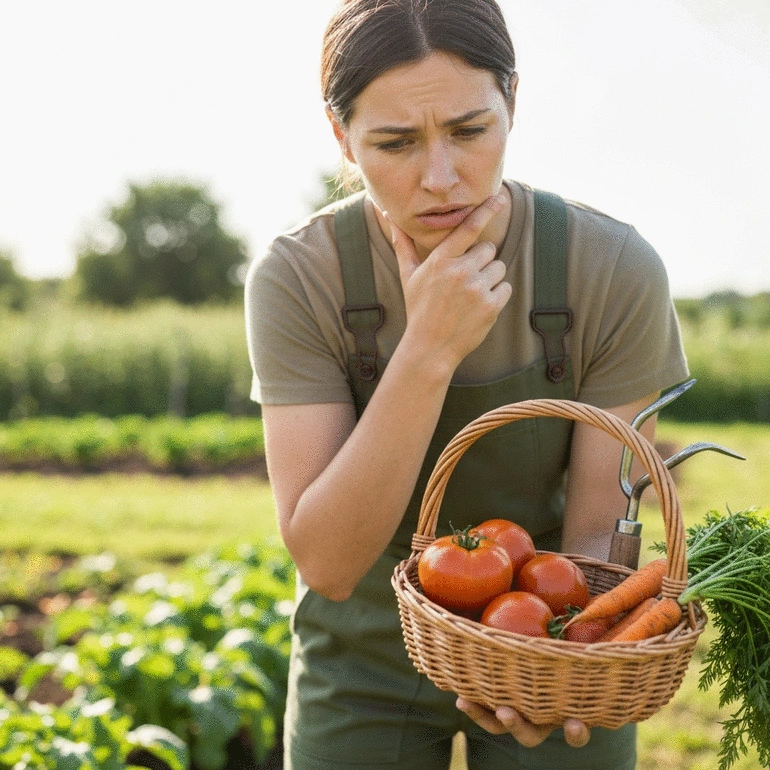
Did you know that the timing of your vegetable harvest can make or break your gardening success? Understanding when to pick your crops is crucial for maximizing flavor and nutrition!
Successfully harvesting vegetables involves understanding peak ripeness, using correct techniques, and having the right tools. Here’s a quick guide to common pitfalls and best practices.
As I dive deeper into my gardening journey, I've realized that even the most experienced gardeners can make harvesting mistakes. Timing is everything when it comes to harvesting your homegrown vegetables. If we pull them too early or wait too long, it can significantly impact the quality and yield of our crops. Let’s explore these common pitfalls together, so we can ensure our gardens thrive!
One of the most critical aspects of harvesting is recognizing the right moment. I remember the excitement I felt when I first started harvesting my vegetables, only to find that many were not yet at their prime. Learning to gauge the perfect harvest time is essential—and trust me, it makes all the difference!
Harvesting vegetables at the right time can directly influence their flavor, texture, and nutritional value. If you pull them too early, you might miss out on the peak taste and benefits. Conversely, waiting too long can lead to overripe produce, which can be less appealing and prone to pests or disease. Keep an eye on your plants and check them regularly, as conditions can change quickly! For more detailed guidance on proper harvesting times, you can consult resources like the University of New Hampshire Extension.
By being mindful of harvest timing, we can enjoy our crops at their best and maximize our gardening efforts. I’ve found that having a simple harvest calendar can really help keep track of each vegetable's ideal picking time!
When it comes to harvesting, peak ripeness is key! Different vegetables have unique signs to indicate when they’re ready. For instance, tomatoes should be bright and firm, while zucchini are best picked when they’re around 6-8 inches long. Knowing these details can help you savor the full flavor of your homegrown produce.
Recognizing these signs is like having a secret code to unlock the best taste! Make sure to jot down these indicators for your garden to enjoy the freshest flavors throughout the season.
Understanding seasonal vegetables is vital for effective harvesting. Each season brings a unique set of crops that thrive during that time. For instance, spring is perfect for leafy greens while summer welcomes tomatoes and peppers. Fall brings root vegetables, and winter can surprise you with hardy greens.
By aligning your harvest with the seasons, you can take advantage of the freshest produce throughout the year. It's rewarding to see how planning can lead to a bountiful harvest!
Harvesting isn’t just about timing; the way we do it matters too. I've experienced my fair share of mistakes in this area, and I want to share what I've learned so that you can avoid common pitfalls. Gentle handling and the right tools can make a world of difference in preserving your precious crops! The University of Florida IFAS Extension offers valuable insights into sustainable small plot gardening, including tips on harvesting techniques.
Gentle handling is crucial to avoid bruising or damaging your vegetables. As tempting as it may be to grab and yank, treating your crops with care can help ensure they reach your table in the best condition. Use a basket or a cloth bag to collect your harvest, keeping them safe from bumps.
By being mindful of how we handle our harvest, we can truly enjoy the fruits of our labor without the stress of spoilage!
Using the appropriate tools can make your harvesting experience much smoother. I’ve learned that the wrong tools can not only lead to accidents but also impact the quality of your vegetables. A sharp knife or garden scissors can be essential for clean cuts, while gloves can protect your hands.
Investing in quality tools can significantly improve your harvesting techniques, making it easier to enjoy your gardening journey!
Different vegetables require specific harvesting techniques. Learning these can help you ensure that you’re not damaging your plants or the vegetables themselves. For example, leafy greens should be cut to encourage new growth, while root vegetables need to be gently pulled from the soil to avoid breaking.
Understanding these distinctions not only makes harvesting easier but also ensures a more productive garden, leading to a greater reward for all our hard work!
To ensure optimal flavor and quality, consider creating a simple harvest log. Documenting the harvest dates and conditions for each type of vegetable will help you improve your timing in future seasons. You'll learn which varieties thrive best in your local climate and adjust your approach accordingly!
Harvest timing directly affects the flavor, texture, and nutritional value of your vegetables. Harvesting too early means missing peak taste, while harvesting too late can lead to overripe produce that is less appealing and more prone to pests or disease.
Each vegetable has unique cues for ripeness. For example, tomatoes should be fully colored and slightly soft, bell peppers should have shiny skin and feel firm, and carrots are ready when their tops are about 1 inch in diameter. Monitoring your plants and learning these specific signs are key.
Common mistakes include harvesting too early or too late, rough handling that bruises crops, using improper cutting techniques that harm the plant, and using the wrong tools. These can all negatively impact the quality and yield of your harvest.
Essential tools include sharp garden scissors for precise cuts (especially for leafy greens and herbs), a sturdy basket or cloth bag for collecting your harvest, and gloves to protect your hands from thorns, dirt, and sap.
Techniques vary depending on the vegetable. Leafy greens should be snipped with scissors to encourage new growth, beans should be picked regularly to promote more flowering, and root vegetables like potatoes need to be carefully dug out with a spading fork to avoid damage.
As we wrap up our discussion on harvesting, it's essential to summarize the key mistakes to avoid and the best practices for successful vegetable harvesting. Remember, timing is everything! Harvesting too early or too late can significantly affect the quality and flavor of your crops. Ensure you're always checking for signs of ripeness and planning your harvest around peak conditions.
Additionally, employing gentle handling techniques and using the right tools can make all the difference in preserving your harvest's quality. By following proper spacing guidelines, you can enhance plant accessibility, leading to a more fruitful harvest. You can find more comprehensive strategies and resources on successful gardening from sources like the Rutgers New Jersey Agricultural Experiment Station.
These strategies can help you maximize your yield and improve the overall quality of your garden produce. Taking the time to understand and implement these techniques will not only enhance your gardening experience but also lead to more satisfying results!
Now that you have a solid grasp of essential harvesting strategies, I encourage you to put these tips into practice in your own home gardens. Don’t hesitate to experiment and see what works best for you! Each harvest is a new opportunity for learning and growth, and I want you to enjoy every moment of it.
To aid you in your harvesting efforts, I’ve prepared a few handy resources. You can download printable checklists and even a harvest timing calculator that can help you keep track of when to pick your vegetables. These tools are designed to make your gardening journey even smoother!
For those eager to expand their knowledge, there are fantastic online resources available! I recommend checking out various gardening courses and blogs that focus on different aspects of gardening, from advanced techniques to seasonal tips. These platforms are great for getting insights from experienced gardeners and can help you cultivate your skills further.
At Nurtured Spaces, we believe that continuous learning is key to becoming a successful gardener. So go ahead, dive into the wealth of information out there and grow your gardening expertise!
Here is a quick recap of the important points discussed in the article: