Leafy Greens
Store in perforated bags in the fridge to maintain moisture and prevent wilting. Shelf life: 5-7 days.

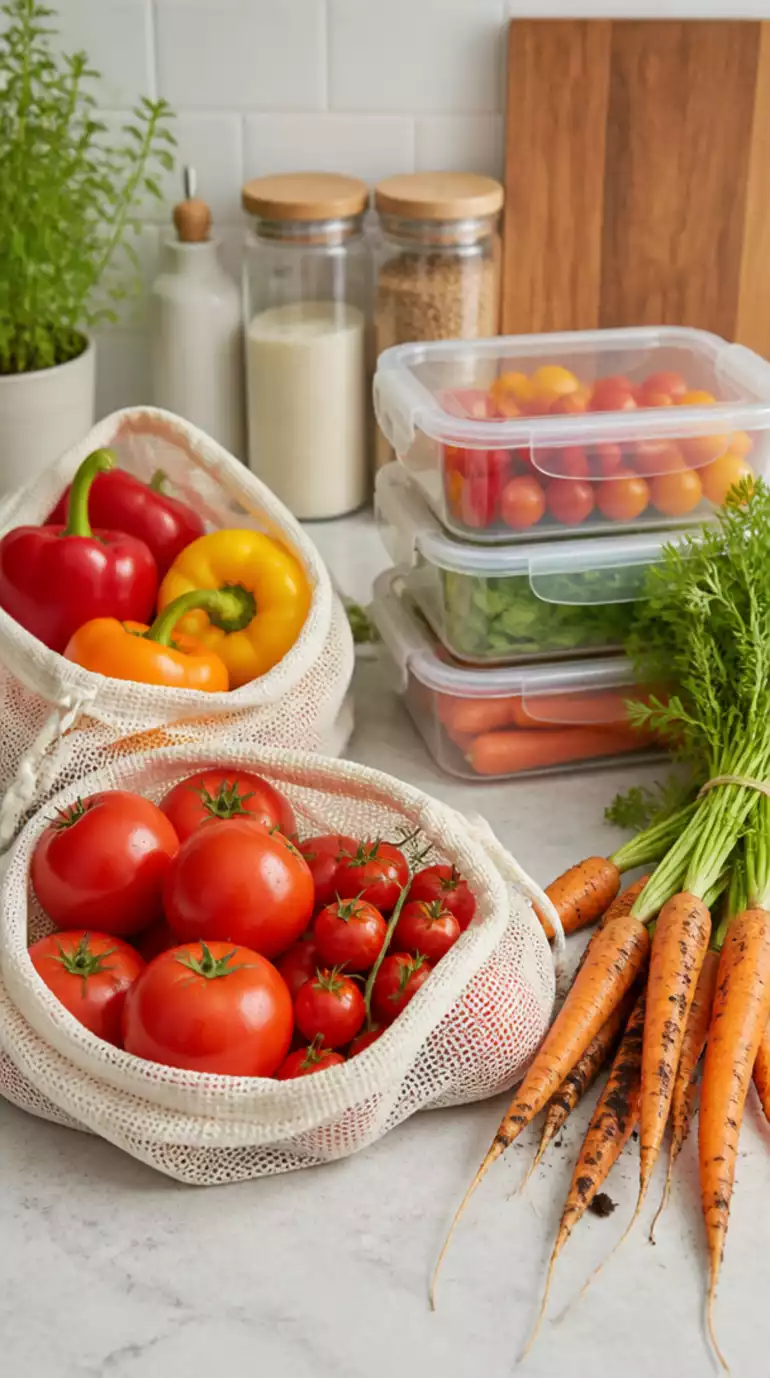
Have you ever harvested a basket full of fresh vegetables and wished to keep them as vibrant and delicious as the day you picked them? Proper post-harvest storage techniques are the key to extending the life of your produce, ensuring that your gardening efforts continue to pay off long after the harvest.
Understanding the proper conditions for your harvested vegetables is key to extending their freshness and flavor. This visual outlines ideal storage temperatures, humidity levels, and expected shelf life for common vegetable types, along with key handling notes.
Store in perforated bags in the fridge to maintain moisture and prevent wilting. Shelf life: 5-7 days.
Keep in a cool, dark place (32°F, 90% humidity) for 2-3 months. Curing is beneficial.
Store at room temperature (55°F, 60-70% humidity) away from direct sun. Shelf life: 1 week.
Avoid washing before storage, handle gently, and separate ethylene-sensitive items.
As home gardeners, one of our biggest joys is harvesting our hard-earned vegetables and herbs. But do you ever wonder how to keep that freshness for as long as possible? Proper post-harvest handling and storage are essential for ensuring the safety, flavor, and overall quality of your produce. This not only minimizes waste but also extends the joy of your gardening efforts! To learn more about maintaining produce quality, explore resources like those from Penn State Extension on keeping produce fresh.
By understanding how to store your harvest effectively, you can savor the fruits of your labor long after the last tomato is picked. With the right techniques, you’ll realize that your vegetables can remain delicious and nutritious for weeks, even months!
When we talk about vegetable storage, it’s not just about putting them in a fridge and calling it a day. Effective storage plays a critical role in preserving freshness and preventing spoilage. As gardeners, we need to focus on food safety, as improper storage can lead to harmful bacteria growth or loss of flavor.
By prioritizing these factors, we can maximize our yields and enjoy the full spectrum of flavors from our homegrown vegetables. Remember, every step we take in our gardening journey matters, especially when it comes to enjoying the produce we've nurtured!
To maintain the quality of your vegetables post-harvest, there are several key factors to consider: temperature, relative humidity, and field heat. Did you know that vegetables continue to respire after being harvested? This process can lead to a decline in freshness if not managed properly. For detailed insights into post-harvest engineering and its impact, consider reading an introduction to post-harvest engineering for fresh fruits and vegetables.
Understanding these factors allows us to create an ideal environment for our vegetables, ensuring they stay crisp and flavorful. It’s like giving your hard work a fighting chance against spoilage!
There are various techniques to enhance the freshness of your vegetables and reduce spoilage. Here are some of my top strategies:
By implementing these strategies, you can create a thriving storage environment for your harvest. These simple adjustments can make a world of difference in how long you can enjoy your produce!
Cooling your vegetables rapidly after harvest is critical for their longevity. Methods such as hydro-cooling or using ice water can bring down temperatures quickly, helping to maintain their crispness and flavor. It’s a bit of extra work, but trust me, it pays off!
Implementing these cooling techniques means your vegetables are less likely to suffer from spoilage. Remember, the fresher your vegetables are when stored, the longer they will last!
Choosing between refrigerator and cool-room storage can be a game-changer for your produce. Let’s look at the pros and cons of each method:
Each method has its benefits, and understanding which vegetables thrive in which environment will ultimately enhance your storage practices.
Cold storage is a fantastic way to preserve vegetable quality and extend shelf life. By maintaining lower temperatures, you can slow down the aging process of your harvested vegetables. This means you can enjoy your fresh produce over a longer period.
Whether you have a dedicated cool space or utilize your fridge effectively, understanding cold storage can help you enjoy the best flavors from your garden!
Different vegetables have different storage needs. Let’s take a look at some essential guidelines for best practices:
Using these crop-specific guidelines will help you keep your vegetables fresher for longer, making your gardening efforts even more rewarding!
Here’s a detailed reference chart to categorize vegetables by type, ideal storage conditions, and expected shelf life:
| Vegetable | Ideal Storage Temperature | Humidity Level | Expected Shelf Life |
|---|---|---|---|
| Leafy Greens | 32°F | 90-95% | 5-7 days |
| Potatoes | 45°F | 90-95% | 2-3 months |
| Tomatoes | 55°F | 60-70% | 1 week |
Each vegetable has its quirks when it comes to handling. Here are some tips to keep in mind:
Taking these handling notes into account can help you maintain the quality of your harvest, making it easier to enjoy your homegrown produce!
Curing is a process that can significantly impact the storage life of root vegetables, onions, and squash. By allowing these vegetables to dry out slightly in a controlled environment, we can enhance their flavor and texture.
For instance, onions should be cured for several weeks in a warm, dry place before storage. This process helps improve their longevity and flavor, ensuring that every bite is bursting with taste!
Chilling injury is a concern that many of us may overlook. Certain vegetables, like tomatoes and peppers, are particularly sensitive to cold temperatures. Keeping them too cold can lead to pitting and decay.
By being mindful of these conditions, you can avoid chilling injury and enjoy all the flavors of your labor for as long as possible!
Finally, let’s talk about humidity control. Maintaining the right humidity levels in your storage environment is vital for extending produce shelf life. Too little humidity can lead to wilting, while too much can cause mold and decay. For more detailed information on moisture and humidity control in storing fresh produce, consult guides like the one from UF/IFAS Extension on handling and storage of fresh produce.
By analyzing and adjusting humidity, we can create an ideal storage environment that keeps our vegetables fresh and crisp!
Here are some common questions about how to store vegetables effectively:
Did you know? Using moisture-retaining materials like damp paper towels for leafy greens not only helps maintain their freshness but also prevents wilting. This simple trick can significantly prolong the life of your harvest, ensuring you enjoy crisp, vibrant vegetables for longer!
As we wrap up our discussion on post-harvest vegetable storage, it's essential to remember a few key points to keep your veggies fresh and delicious. By understanding the importance of proper storage techniques, you can significantly extend the shelf life of your harvest and reduce waste! Here are the main takeaways:
By following these best practices, you’ll not only enjoy fresh produce for longer but also cultivate a more sustainable gardening approach. It’s all about nurturing your harvest as you would nurture your garden!
Adopting sustainable practices in vegetable storage is beneficial not just for your home but also for the environment. When we prioritize freshness and reduce waste, we contribute to a more sustainable food system. At Nurtured Spaces, I believe that every small step counts in making a difference! Here are some sustainable practices to consider:
These practices not only enhance your gardening experience but also help foster a sense of community among fellow gardeners. Let’s work together to create a greener future! 🌱
Integrating organic farming practices into your vegetable storage strategies can make a world of difference. By emphasizing natural methods, you can improve the quality of your produce while minimizing chemical exposure. Here are some organic practices to consider:
By embracing these organic principles, you not only enhance your garden's health but also contribute to environmentally friendly practices that benefit everyone!
I’d love to hear from you! Have you tried any of these vegetable storage techniques? Or maybe you have some unique tips of your own? Please share your experiences or questions in the comments below! Engaging with each other is a fantastic way to learn and grow as gardeners.
To deepen your understanding of vegetable storage, I've compiled a few valuable resources for you:
These resources will provide you with more insights into keeping your vegetables fresh and delicious. Happy gardening, and remember: every harvest is a new opportunity to learn and grow!
Here is a quick recap of the important points discussed in the article: