Yield Comparison: Cut-and-Come-Again vs. Traditional
Traditional Harvest
1x Yield
Cut-and-Come-Again
Up to 30% More

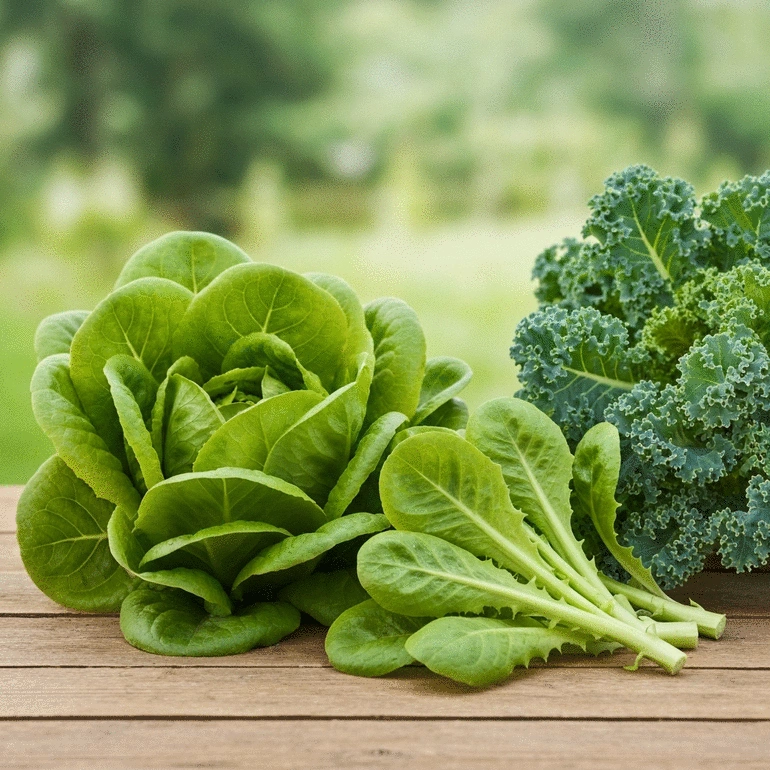
What if you could enjoy a bountiful harvest from your garden without the need for constant replanting? The cut-and-come-again method offers just that, allowing you to maximize your yields while nurturing your plants for sustainable growth.
This visual highlights the significant benefits and increased efficiency of the cut-and-come-again harvesting method for leafy greens compared to traditional single-harvest practices.
Traditional Harvest
Cut-and-Come-Again
1. Identify & Cut
Outer leaves, 1-3 inches above crown.
2. Ensure Regrowth
Leave enough foliage for new growth.
3. Repeat Process
Harvest every few weeks for continuous supply.
Tools Needed
Sharp scissors, gloves, basket.
Have you ever wished for a method that allows you to get more from your leafy greens like lettuce and kale? The cut-and-come-again method could be the answer! This technique is not just about harvesting; it’s a sustainable approach that lets you enjoy multiple yields from the same plants throughout the growing season.
When you adopt this method, you’re embracing a way of gardening that maximizes productivity while minimizing waste. It's like having a garden that keeps on giving—perfect for home gardeners looking to enhance their yields!
The cut-and-come-again method is a harvesting technique that involves trimming outer leaves of leafy greens while allowing the inner ones to continue growing. This method promotes rapid regrowth, meaning you can enjoy fresh greens multiple times without the need for continual replanting.
For those of us at Nurtured Spaces, this technique embodies the essence of sustainable gardening. You’ll find that with just a few cuts, your plants will thrive, and you’ll have a nearly endless supply of fresh greens for salads, smoothies, or cooking!
Ready to dive into the cut-and-come-again method? Here’s a straightforward guide to getting started:
Embracing this method can lead to a rich and fruitful gardening experience, giving you plenty of opportunities to savor the joys of freshly harvested greens!
When choosing which leaves to cut, focus on the outer leaves that are mature. By cutting these at the right height—about 1-3 inches above the crown—you give the plant the best chance to regrow. This way, you’re not only harvesting but also preserving the life of the plant.
Every harvest should aim to leave enough leaves intact for the plant to continue thriving, promoting new growth and maximizing your yield!
Having the right tools makes all the difference in cut-and-come-again harvesting. Here’s what I recommend:
Investing in these basic tools will enhance your harvesting experience and ensure that your leafy greens are cut cleanly and efficiently.
The cut-and-come-again method isn’t just efficient; it offers a host of benefits that can transform your gardening experience!
This technique allows you to cultivate a more productive garden, contributing to a sustainable approach that benefits both you and the environment.
One of the most significant advantages of this method is its efficiency. By harvesting selectively, you can enjoy fresh greens daily without the need for constant replanting. This means less waste and more productivity, which is a win-win for any gardener!
Every time you cut your greens, you’re essentially making a decision to nurture your garden and enjoy its fruits without exhausting your resources.
When you harvest greens using the cut-and-come-again technique, you’ll notice a marked difference in taste. Freshly cut greens retain more nutrients and flavor compared to store-bought options. It’s a delightful way to ensure your salads and dishes burst with vibrant flavors!
Plus, you can enjoy a variety of tastes throughout the season as you explore different leafy greens that thrive under this method.
Freshly harvested leafy greens aren’t just tasty—they’re also packed with nutrients! When you cut-and-come-again, you’re ensuring that you’re consuming the healthiest options possible.
By choosing this harvesting method, you're not only enriching your diet but also encouraging a sustainable gardening practice that aligns with the mission of Nurtured Spaces!
It’s notable how homegrown leafy greens retain more nutrients than those purchased from the store. Factors like travel time and storage conditions can diminish nutritional value. By harvesting your greens fresh, you’re ensuring that your meals are as nutritious as possible!
Embrace the cut-and-come-again technique, and you’ll not only enjoy the taste but also reap health benefits that come with consuming freshly harvested produce.
Not all leafy greens are created equal when it comes to this harvesting method. Here are some of the best options for cut-and-come-again harvesting:
Choosing the right varieties not only enhances your experience but ensures that you get the maximum benefit from your gardening efforts.
For optimal results, consider growing varieties like Butterhead, which regrows quickly after being cut. Romaine is another excellent choice that tends to produce tender leaves, making it perfect for salads!
For kale enthusiasts, both Lacinato and Curly Kale are great choices. They’ll keep growing as you trim, providing you with a steady supply of nutritious greens!
Don’t stop at just lettuce and kale! Other leafy greens like spinach and Swiss chard can also benefit from the cut-and-come-again technique. These greens are not only versatile for cooking but also incredibly nutritious.
Spinach, for example, thrives in this method and can be harvested multiple times. Swiss chard, with its vibrant colors, adds a beautiful touch to your garden and table!
As you practice the cut-and-come-again method, keeping your plants healthy is vital. Here are some strategies for managing pests and diseases effectively:
Maintaining vigilance is key to enjoying a successful harvest season while minimizing risks to your crops.
To protect your plants during the regrowth phase, consider implementing natural pest deterrents. For instance, companion planting can help ward off pests while attracting beneficial insects!
Being proactive not only promotes plant health but allows you to enjoy a more bountiful harvest, aligning perfectly with the ethos of Nurtured Spaces.
Maintaining healthy soil is fundamental to reducing pest issues. Organic amendments like compost can enhance soil structure and fertility, ensuring your plants have the nutrients they need to fight off pests.
Investing in soil health means investing in the future of your garden—ensuring that it remains resilient and productive!
To extend your harvesting season, consider seasonal adaptations such as using row covers to protect plants from frost. This allows you to harvest greens even in cooler months!
At Nurtured Spaces, we believe in the power of planning and adapting your garden practices to enjoy fresh greens year-round.
One of the most exciting aspects of cut-and-come-again harvesting is the potential yield! You might be surprised at how much you can gather compared to traditional methods.
The cut-and-come-again method truly transforms how we approach gardening, allowing us to reap the benefits of sustainable practices.
To illustrate potential yields, consider creating a simple chart that compares yields per square foot between traditional single-harvest methods and cut-and-come-again practices. For example, research studies have shown that different harvest start times can impact the yield of leafy vegetables, providing more insight into maximizing productivity. You may be amazed at the difference!
By visualizing the data, you’ll understand just how impactful this method can be for your gardening journey.
A1: The cut-and-come-again method is a sustainable harvesting technique where you trim the outer leaves of leafy greens, allowing the inner leaves to continue growing. This enables multiple harvests from the same plant throughout the growing season.
A2: Optimal leafy greens for the cut-and-come-again method include various types of lettuce (like Butterhead and Romaine), kale (such as Lacinato and Curly), spinach, and Swiss chard.
A3: To ensure proper regrowth, identify the mature outer leaves and cut them about 1-3 inches above the plant's crown. It's crucial to leave enough inner foliage for the plant to continue thriving and producing new growth.
A4: The key benefits include increased efficiency (multiple harvests from one planting), reduced waste, better space utilization in your garden, and often higher nutritional value and superior flavor compared to store-bought greens.
A5: Regular monitoring for pests, maintaining good garden hygiene, implementing natural pest deterrents like companion planting, and focusing on healthy soil strategies are crucial for managing pests and diseases and ensuring plant longevity.
To ensure the best possible regrowth of your leafy greens, consider incorporating a light feeding of organic fertilizer after each harvest. This will provide your plants with the nutrients they need to rebound quickly, leading to a more fruitful and abundant garden!
To truly master the art of cut-and-come-again harvesting, there are several practical tips I’d love to share. These suggestions will help you maintain healthy plants, allowing for ongoing harvests throughout the growing season.
First off, timing is crucial! When you decide to cut your leafy greens can greatly affect their growth and flavor. Studies, such as those conducted on the effects of different harvest start times, emphasize the importance of timing for optimal leafy vegetable yields. Here are a few tips to get the best results:
By following these guidelines, you’ll set yourself up for success in your harvesting adventures!
As you consider your harvest schedule, remember that leafy greens grow best with regular trimming. Staggering your cuts ensures that you always have fresh greens ready to enjoy. This method not only provides a continuous supply but helps maintain the health of your plants.
Another way to enhance your cut-and-come-again garden is through companion planting. Certain plants grow well alongside leafy greens, promoting better yields and pest control. Some great pairings include:
These companions not only enrich your garden ecosystem but also increase your overall yields!
Have you ever considered hydroponic systems? These setups allow you to grow leafy greens without soil, making it easier to implement the cut-and-come-again method effectively. Research, including studies on various hydroponic systems, highlights their efficiency in urban agriculture. With hydroponics, you can:
In my experience, hydroponics can lead to a more consistent harvest, especially when you're aiming for fresh greens year-round. It’s a fantastic way to elevate your gardening game!
Even seasoned gardeners encounter challenges. Here are some common issues and solutions to keep your cut-and-come-again harvests thriving:
Bitterness can be a concern, especially in hot weather. To prevent this, consider these strategies:
By being proactive, you can enjoy delicious, flavorful greens all season long!
There comes a time when a plant may no longer be viable for harvesting. Some signs to look for include:
Recognizing these indicators is essential for maintaining a healthy garden and ensuring your plants can continue to thrive.
Lastly, seasonal gardening practices and crop rotation are vital for successful cut-and-come-again harvesting. By rotating your crops, you can:
This thoughtful approach ensures that your garden remains productive, providing you with fresh, vibrant greens season after season.
Here is a quick recap of the important points discussed in the article: