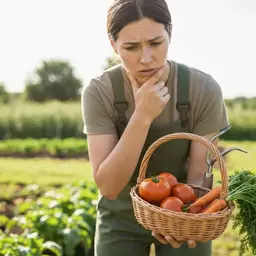
Importance of Timing
Flavor Development: Peak taste at specific maturity.
Texture: Ensures tender, pleasant consistency.
Overall Yield: Affects quantity of harvest.

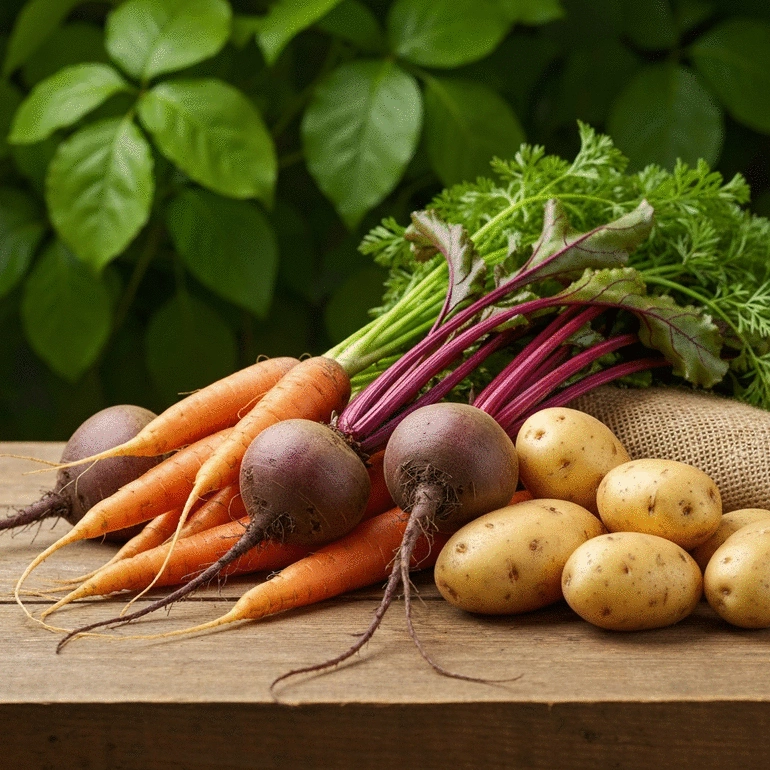
As you prepare to harvest, consider the impact of timing on your root vegetables. How can knowing the right moment transform your garden's bounty and flavor?
Understanding the optimal harvest time for root vegetables like carrots, beets, and potatoes is crucial for maximizing flavor, texture, and yield.
Flavor Development: Peak taste at specific maturity.
Texture: Ensures tender, pleasant consistency.
Overall Yield: Affects quantity of harvest.
Harvest Time: 70-80 days after planting.
Maturity Indicator: Shoulders peeking above soil, ~1 inch diameter.
Avoid: Becoming woody if left too long.
Harvest Time: 50-70 days after planting.
Maturity Indicator: At least 2 inches diameter, vibrant tops.
Avoid: Becoming overly sweet if left too long.
Harvest Time: Early varieties ~60 days.
Maturity Indicator: Yellowing leaves, plant die-back.
Avoid: Smaller tubers if harvested too early.
As a gardener, one of the most fulfilling moments is when you finally get to harvest your carefully tended root vegetables. However, understanding the timing for harvesting is crucial to ensure you enjoy the best flavors, textures, and overall yield. Whether you’re growing carrots, beets, or potatoes, timing can make all the difference in the quality of your harvest!
Harvesting at the right time not only enhances flavor but also maximizes your yields. Each type of root vegetable has its unique growth pattern, and knowing when to harvest can prevent disappointments. Let’s explore why timing matters and how you can tell when your vegetables are ready! For more comprehensive guidelines, consider consulting resources like the Piedmont Master Gardeners' article on harvesting vegetables.
Each root vegetable has its own optimal harvest time, and harvesting too early or too late can lead to issues. Here’s why timing is essential:
For instance, carrots that are left in the ground too long may become woody, while beets can become overly sweet. On the other hand, harvesting potatoes too early can lead to smaller tubers. Understanding these nuances will empower you as a gardener! You can find more details on this topic from SDState Extension's guidelines on harvesting and storing root vegetables.
Knowing when your root vegetables are ready involves observing a few key indicators:
Paying attention to these signs can help you make informed decisions about when to dig up your treasures. Remember, it’s always a good idea to dig up a test vegetable if you're uncertain—don't hesitate to satisfy your curiosity!
Let’s dive deeper into the specific maturity indicators for each type of root vegetable. Here’s what to look for:
Understanding these timing nuances helps you plan your harvest effectively. There’s nothing quite like tasting fresh vegetables harvested at their peak, so keep these indicators in mind as you prepare for your next harvest! For further reading on harvest and storage, the Utah State University Extension offers valuable research on the harvest and storage of vegetables and fruits.
Now that you know when to harvest, it’s time to discuss how to do it effectively. Different techniques can lead to a better harvest experience!
Did you know? To enhance the flavor of your root vegetables, try adjusting your watering schedule as they approach maturity. Reducing water can concentrate the flavors, giving you even tastier carrots and beets when you harvest! Just be careful not to stress the plants too much—balance is key!
Here are some common questions to help you master the art of harvesting root vegetables:
As we wrap up our exploration of root vegetable harvesting, it's essential to highlight the key insights that can help elevate your gardening game! Timing plays a crucial role in ensuring that your carrots, beets, and potatoes are harvested at peak flavor and texture. Remember, harvesting too early or too late can affect not only the taste but also the overall yield of your crops.
Utilizing proper techniques during harvesting is equally important. Whether you're gently pulling carrots from the soil or carefully lifting potatoes, doing so with care will prevent damage to your prized vegetables. Additionally, keeping an eye on storage conditions post-harvest will further ensure that your vegetables remain fresh and flavorful.
By keeping these insights in mind, you’ll be well on your way to enjoying a bountiful harvest each season. Remember, every gardener’s journey is unique, and each harvest presents an opportunity to learn and grow!
We love hearing from fellow gardeners, and I invite you to share your own experiences with harvesting root vegetables! What tips have you found useful? Have you faced any challenges that we can tackle together? Please drop your thoughts and questions in the comments below. Your experiences matter and can inspire others in our nurturing community at Nurtured Spaces!
Let’s cultivate a space where we can learn from each other, celebrate our successes, and grow together. I can't wait to hear about your adventures in the garden!
Here is a quick recap of the important points discussed in the article: